How to Wash Linen So It Lasts and Stays Soft for Years
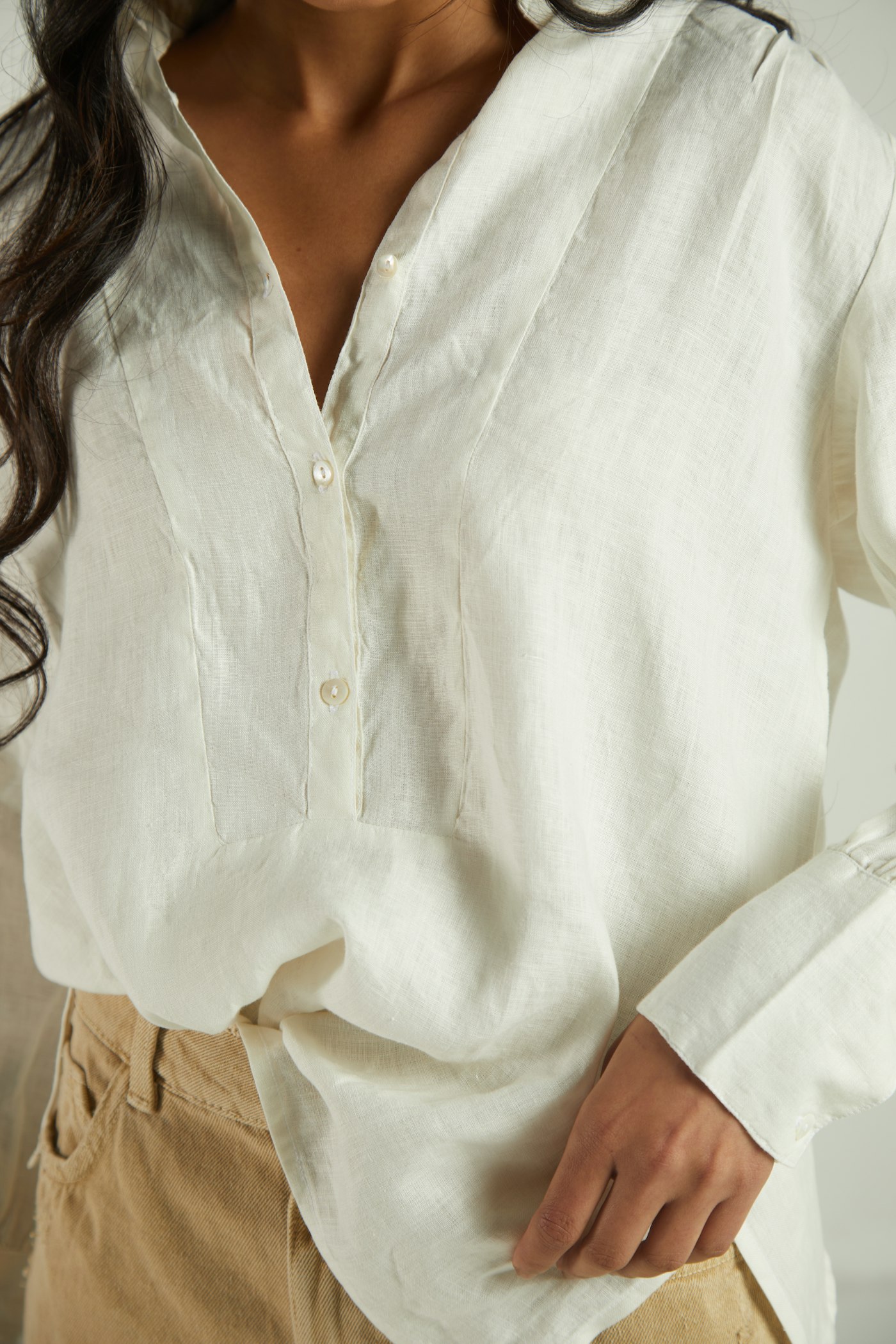
Linen is one of the few fabrics that gets better the longer you own it. A good linen shirt softens with every wash and can outlast a decade of polyester blends. The catch is that knowing how to wash linen matters: it rewards the right care and punishes the wrong kind, mostly heat. Get the temperature and the drying right and a linen piece lasts for years. Get them wrong and it shrinks, stiffens, or wears thin. Here is how to wash, dry, soften, and store it so it lasts.
The short version
Wash linen in cool or lukewarm water on a gentle cycle, with about half the detergent you would normally use and no fabric softener. Skip the hot dryer. Line dry it, or tumble on low and pull it out while still damp, then reshape it on a hanger. Store it folded with room to breathe. Do that and your linen softens for years instead of wearing out.
Why linen needs a gentler hand
Linen is a natural plant fiber, spun from the stalk of the flax plant. According to the Encyclopaedia Britannica entry on linen, those flax fibers are strong and absorbent, which is exactly why linen breathes, lasts, and feels cool in summer, and also why it behaves differently from a synthetic. Two things matter most.
Heat is the enemy. Hot water and a hot dryer are what actually shrink linen and break down the fibers over time. Keep the temperature down and most problems disappear.
Linen is strong but not slippery. The fibers are tough, but they can crease hard and abrade if you wash a delicate linen blouse with a zipper-heavy load. Sort with a little care and linen holds up beautifully. One more quirk: linen is one of the rare fibers that is actually stronger wet than dry, so it tolerates washing well, as long as you keep the heat and the agitation low.
Is your linen even worth the care?
Before you baby a piece, it helps to know it is real linen and not a blend dressed up as one. Plenty of “linen look” tops are mostly rayon or viscose, which behave nothing like flax and do not earn this kind of care. That is the whole point of how we grade every item on the list: we read the fabric label so you are not babying a viscose blend by mistake. If you are not sure why a “linen-blend” tag can be misleading, our explainer on whether viscose is a natural fiber breaks down the tell.
When a piece is genuinely 100% flax, it is worth every minute of careful washing. The Abercrombie 100% Linen Button-Up Shell and the Aritzia Archive Linen Shirt are the kind of graded-A pieces that reward it, the ones that get softer for years. You can see the rest of the linen tops worth keeping on the list.
Washing a new linen piece for the first time
The first wash is the one that matters most, because it is when any shrinkage happens. Most quality linen is pre-washed or garment-dyed before it is sold, which takes the worst of the shrinkage out at the factory, but cheaper or unwashed linen can still tighten up the first time. Check the care label: if it does not say pre-washed or pre-shrunk, treat the first wash gently and expect the piece to relax a little.
Wash a new piece cold, on its own or with similar colors, since fresh dye can bleed the first time or two, dark indigo and saturated shades especially. Skip the stain boosters and the heavy settings. Then dry it the way you plan to dry it from now on, ideally on a line or laid flat, so it settles into its true size and shape on the first go. Do this once with care and the piece is broken in for good. Every wash after that only makes it softer.
How to machine wash linen, step by step
A normal washing machine is fine for everyday linen. The settings are what matter.
- Sort by color and weight. Wash linen with similar colors and similar fabrics. Keep it away from towels and anything with hooks or heavy zippers that can pull the weave.
- Use cool or lukewarm water. Aim for 30C or cold. Hot water is the single biggest cause of shrinkage and the fastest way to age the fiber.
- Choose a gentle or delicate cycle. A slower spin means fewer hard creases and less stress on the fibers.
- Go easy on detergent. Use about half what you would for a normal load, and a mild one. Too much detergent leaves a residue that makes linen feel stiff and gray.
- Skip the fabric softener. It coats the fibers and actually reduces linen’s natural softening over time. For a softer hand, add half a cup of white vinegar to the rinse instead.
- Wash dark colors inside out. This protects the surface and keeps darks from fading at the seams.
A mesh laundry bag is a smart move for anything delicate or loosely woven. It keeps the piece from snagging or twisting around heavier items in the drum.
How to wash linen by hand
For a special or delicate piece, hand washing is gentler still and takes ten minutes. Fill a basin or sink with cool water and a small amount of mild detergent. Submerge the linen and press the suds through it gently, without wringing or scrubbing. Let it soak for ten to fifteen minutes, then drain and rinse with clean cool water until the water runs clear. Press the excess water out by rolling the piece in a towel. Never wring linen, which sets hard creases and stresses the weave.
What temperature to wash linen
Cool to lukewarm, and never hot. If your machine uses numbers, 30C or a cold wash is the target. Heat is what shrinks flax and weakens it over the long run, so the cooler the wash, the longer the piece keeps its size, its color, and its strength. Cold water has two bonuses: it protects dyes from fading and it uses far less energy. The only time to reach for warm water is a stubborn stain, and even then, spot-treat it rather than washing the whole garment hot.
How often should you wash linen
Less than you might think. Linen is naturally breathable and resists odor better than synthetics, so most linen clothing does not need washing after every wear. A linen shirt or dress worn for a few hours can be aired out on a hanger overnight and worn again, which is gentler on the fabric and saves it from the wear that washing inevitably adds. Over-washing is one of the quiet ways a good piece gets old before its time.
Wash linen when it is actually dirty, sweaty, or stained, not on a fixed schedule. For pieces worn close to the skin on a hot day, that might be every wear; for an outer linen layer, it might be every few. Spot-clean small marks rather than running the whole garment through a cycle, and air pieces between wears to keep them fresh. The goal is the one that runs through all of this: handle linen as little and as gently as you can, and it rewards you by lasting.
Drying linen without shrinking
Drying is where linen is won or lost, and where almost all shrinkage actually happens.
Line drying is best. Hang the piece while damp and let gravity pull out most of the wrinkles. A shirt on a hanger will often need no ironing at all. Reshape the shoulders and side seams with your hands while it is wet so it dries true to its cut.
If you use the dryer, keep it on low or a no-heat air setting, and take the linen out while it is still a little damp. Finish it on a hanger or lay it flat. The longer linen tumbles dry and hot, the more it shrinks and the faster it wears. Lay knits and looser weaves flat to dry so they keep their shape rather than stretching on a hanger.
Ironing and wrinkles
Wrinkles are part of linen’s character, not a flaw, and most people learn to love the relaxed look. If you want a crisper finish, iron while the piece is still slightly damp on a medium-hot setting, or use a shot of steam. Pressing bone-dry linen with a dry iron is harder and can scorch it. A handheld steamer is the easy middle ground: it relaxes the deepest creases without flattening linen’s natural texture.
How to soften linen and fix stiffness
Quality linen softens a little more with every wash, so time is on your side. If a piece feels stiff or boardy, the culprit is almost always detergent buildup or hard water, not the flax. Two fixes work. Wash it again with half a cup of white vinegar in the rinse, which strips residue and relaxes the fibers. And cut back on detergent going forward, since less is genuinely more with linen. Skip dryer sheets and softener entirely, they coat the fiber and work against the broken-in softness you are after.
Removing stains and odor
Treat stains fast and cool. Blot, do not rub, then soak the spot in cool water with a little mild detergent or an oxygen-based stain remover before washing. Keep heat away until the stain is gone, since a hot wash or dryer can set it for good. For lingering odor, that half cup of white vinegar in the rinse neutralizes smells without leaving a scent of its own. For whites that have yellowed, sun-drying brightens them naturally and is gentler than bleach. Underarm and deodorant marks are the most common stain on summer linen: loosen them with a paste of baking soda and water, left on for twenty minutes before a cool wash, and they usually lift without any bleach at all. For oil or food, work a single drop of dish soap into the spot before washing to pull the grease out of the weave. The rule with every stain is the same, cool water and patience beat heat and force.
Linen pants, shirts, and dresses: what changes
The rules are the same across linen clothing, with small tweaks by piece. Linen pants and trousers hold their shape best if you reshape the waistband and hang them by the cuffs to dry, which keeps the legs from creasing at the knee. A structured linen shirt or blazer is the one case where occasional dry cleaning is reasonable, to protect the interfacing and collar. Linen dresses and looser tops do best hung damp so the skirt falls straight. In every case, cool water and low heat are the constants.
Storing linen so it keeps
Fold linen and store it with room to breathe. Avoid cramming it into a tight drawer, which sets deep creases that are hard to release. For long or seasonal storage, make sure the piece is clean and fully dry first, since any leftover body oils can oxidize into stains over months. Skip the plastic bag, which traps moisture and can mildew. A cotton garment bag or a breathable cloth is better.
What to skip
- Hot water and high-heat drying. The fastest way to shrink and age linen.
- Bleach. It weakens the fibers and yellows them over time. For whites, sun-dry instead.
- Fabric softener and dryer sheets. They work against the softening you want.
- Wringing. It sets hard creases and stresses the weave; press water out instead.
- Overloading the machine. Linen needs room to move so it does not crease into hard folds.
Treat linen as the long-term piece it is, and it pays you back. The shirt you buy this year should still be in rotation, softer than ever, many summers from now. If you are building a wardrobe around fabric that lasts, the best linen tops on the list are graded the same way, on what they are actually made of.
Common questions
- Does linen shrink when you wash it?
- Yes, linen can shrink about 4 to 10 percent the first time it is washed, mostly from heat. Wash in cool or lukewarm water and dry on low or flat, and the shrinkage stays small. Most quality linen is pre-washed, which takes the worst of it out before you ever buy it.
- What temperature should you wash linen?
- Cool to lukewarm, around 30C or cold, and never hot. Heat is what shrinks and weakens flax fibers over time, so a cold or cool wash protects both the size and the color. Cold water also uses less energy and is gentler on dyes.
- How do you keep linen from shrinking?
- Wash cool, skip the hot dryer, and reshape the piece while it is damp. The shrinkage that does happen comes almost entirely from heat, in hot water or a hot tumble dry. Line drying, or pulling linen from the dryer while still slightly damp and finishing it on a hanger, keeps it true to size.
- Can you put linen in the dryer?
- You can, on low heat, but the dryer is where most shrinkage and wear happen. Pull linen out while it is still slightly damp and let it finish on a hanger or flat. Line drying lasts longer and presses out most wrinkles for free.
- Why is my linen stiff after washing?
- Stiffness usually comes from detergent buildup or hard water, not the fabric itself. Use about half the detergent you think you need, skip fabric softener, and add a half cup of white vinegar to the rinse. Linen softens a little more with every wash.
- Should you wash linen by hand or in the machine?
- Both work. A gentle cold machine cycle is fine for everyday linen and is what most pieces are made for. Hand washing is gentler still and worth it for a delicate or loosely woven piece: soak in cool water, press the suds through without wringing, and rinse.