Is Viscose a Natural Fiber? What the Label Really Means
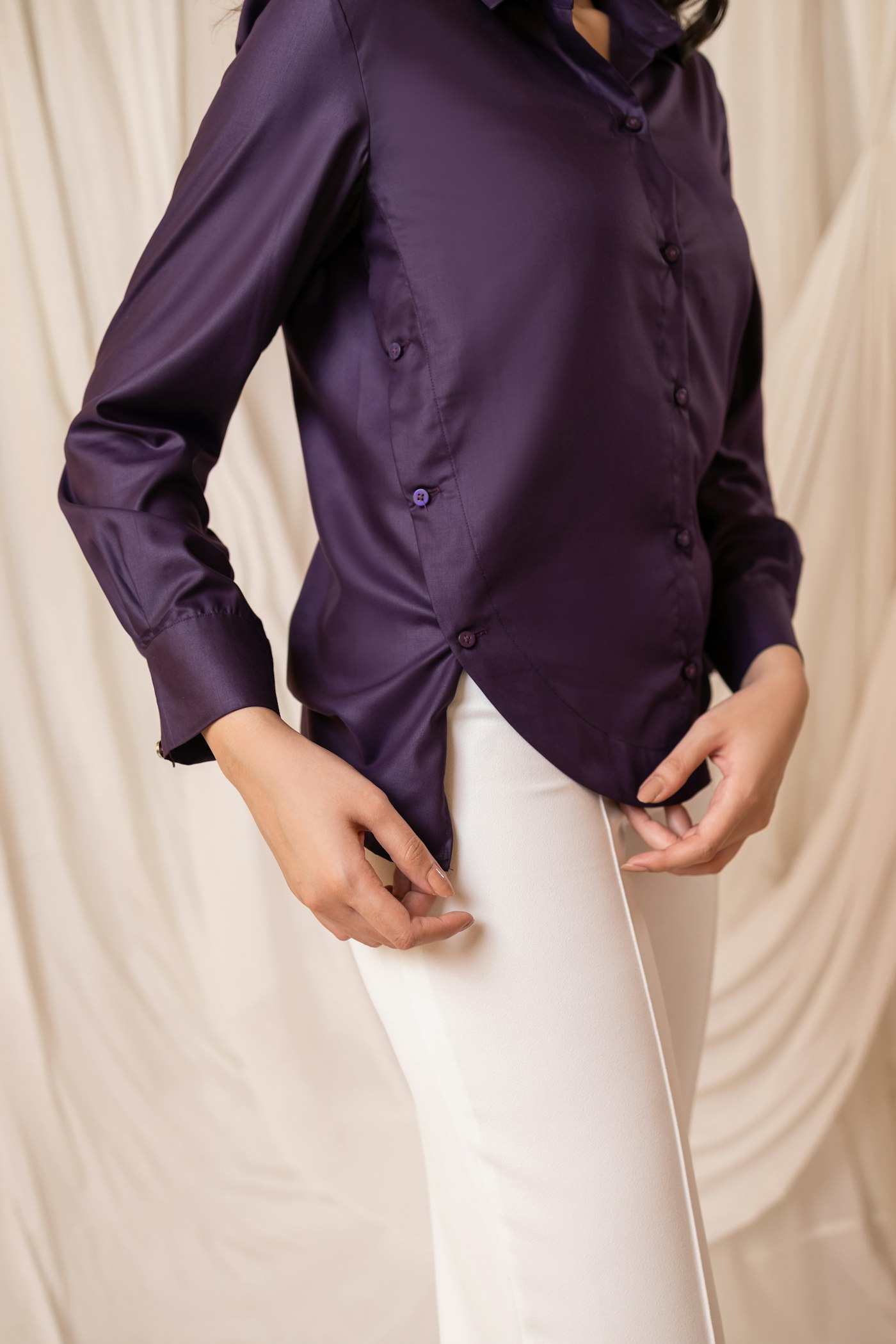
You are holding a shirt that feels like silk, drapes beautifully, and costs twenty dollars. The tag says viscose, and somewhere nearby it says something about plants or bamboo. So is viscose a natural fiber, the honest, label-loving cousin of cotton and linen? No. It is one of the most misunderstood materials in your closet, and the gap between how it is sold and what it actually is matters for how long your clothes last.
Here is the plain version, with the receipts.
Is viscose a natural fiber? The short answer
No. Viscose is not a natural fiber. It is a regenerated cellulose fiber: it starts as plant material (usually wood pulp), then gets dissolved in chemicals and re-formed into thread. That makes it semi-synthetic, which is a real category sitting between true natural fibers and petroleum synthetics. It is not cotton, and it is not polyester. It is its own thing, and the label rarely tells you so.
The quick version:
- Not natural. Viscose is plant-derived but heavily processed, so it does not count as a natural fiber the way cotton, linen, wool, and silk do.
- Viscose and rayon are the same family. Viscose is the most common kind of rayon.
- It is safe to wear. The scary chemicals are a factory problem, not something in your finished shirt.
- It does not last. Viscose is weak when wet, wrinkles, and wears out faster than cotton or linen.
- The label often hides it inside words like “linen-blend,” “bamboo,” or “cupro.”
That last point is why we built a way to grade clothing on what it is actually made of, instead of on what the marketing says.
What viscose actually is (and why viscose and rayon mean the same thing)
A natural fiber is one you can use more or less as it grows. Cotton is the fluff around a cotton seed. Linen is the inner stalk of the flax plant. Wool is sheared off a sheep. You clean it, spin it, weave it, and the fiber is chemically the same thing it was on the plant or animal.
Viscose does not work that way. It begins with cellulose, the structural material in plant cell walls, usually from fast-growing trees like eucalyptus, beech, or pine. That cellulose is then dissolved into a thick liquid and pushed through tiny holes to form new filaments. The plant is the raw material, but the fiber you wear has been taken apart and rebuilt. Textile scientists call this a regenerated cellulose fiber, and the broad name for the whole family is rayon.
So is viscose the same as rayon? For practical purposes, yes. Rayon is the umbrella term, and viscose is the specific, oldest, and most common process for making it. In the United States you will often see “rayon” on the tag. In the United Kingdom and Europe you will more often see “viscose.” Modal and lyocell (sold as Tencel) are also rayons, made with different and usually cleaner chemistry. Cupro and “bamboo” fabric are rayons too. They are cousins, all regenerated cellulose, none of them natural in the way the marketing implies.
Viscose has been around since the early twentieth century, when it was sold as artificial silk for exactly the reason it still sells today: it mimics the drape and sheen of silk at a fraction of the cost. That heritage is the tell. It was invented to imitate a natural fiber, not to be one, and more than a century later the pitch has barely changed. When a fabric’s entire history is about looking like something it is not, the label is the only place you will get a straight answer.
How viscose is made, and why “plant-based” misleads
The viscose process is more chemistry lab than cotton field. Wood pulp is treated with caustic soda, aged, and combined with carbon disulfide to create a honey-colored fluid called viscose, which is where the fiber gets its name. That fluid is forced through a spinneret into an acid bath, where it hardens back into thread. Then it is washed, bleached, and spun.
None of that is inherently evil. It is, however, the opposite of simple. The phrase “plant-based” is technically true and practically misleading, because it invites you to picture a field instead of a chemical plant. Two things follow from how viscose is made:
- The chemicals are real. Carbon disulfide is genuinely hazardous, which is a serious occupational health issue for the people in the factory. It is not, to be clear, sitting in your shirt waiting to hurt you. Modern lyocell processes (Tencel) recover most of their solvent in a closed loop, which is why they are considered the cleaner end of this family.
- The forests are real. A lot of conventional viscose comes from pulp linked to ancient and endangered forests. Some producers now source responsibly and certify it, and Lenzing’s EcoVero line is one example marketed on lower-impact sourcing. The point is that “made from plants” does not automatically mean low impact.
This is the heart of it. Viscose is sold on a feeling, soft and breezy and green. The making of it is industrial, and the wearing of it is short-lived.
Why we do not count viscose as natural
On The Soft Edit, the grade is computed from the fabric label, not the marketing. We treat regenerated cellulose, which includes viscose, rayon, modal, lyocell, and bamboo viscose, as a processed fiber rather than a natural one. A piece that is mostly viscose or rayon does not earn a recommended grade, because our whole reason for existing is to help you buy clothing that actually lasts, and processed cellulose does not hold up the way true natural fiber does.
That is not a moral judgment about anyone who owns a viscose dress. Plenty of lovely garments contain it. It is a durability and honesty position: if a fiber is sold as natural and is not, you deserve to know, and if it will not survive thirty washes, that belongs in the verdict. You can see exactly how that grading works on the page about how we read and grade every label.
Is viscose safe to wear?
Short answer: yes. This is where the internet gets loud, with questions about whether viscose is toxic to skin or “basically plastic,” so it is worth being precise.
Viscose is not plastic. Plastic-style fabrics like polyester and nylon are made from petroleum. Viscose is made from plant cellulose. They are different families, and calling viscose plastic is wrong, even if both are processed.
Viscose is also not toxic to wear. The carbon disulfide that shows up in alarming headlines is a manufacturing chemical and a worker-safety concern, not a residue you absorb from a finished, washed garment. For the vast majority of people, a viscose top is perfectly safe against the skin and rarely irritating. When skin does react to one, it is usually the dye or a dense, non-breathable weave, not the fiber.
The honest concern with viscose is not your health. It is the garment’s life. It pills, it wrinkles, it can shrink, and it loses a large share of its strength when wet, which is why a viscose blouse can come out of the wash looking older than it should. If you love a viscose piece, treat it gently: cool wash, no wringing, hang or lay flat to dry.
Viscose vs cotton and linen: how it actually wears
The viscose vs cotton question usually comes down to softness against longevity. Viscose often feels softer and drapes more fluidly straight off the rack. Cotton and linen feel more substantial and, crucially, get better with age instead of worse.
A few concrete differences:
- Strength when wet. Cotton actually gets stronger when wet. Viscose does the opposite and weakens significantly, which is why it is more prone to stretching and tearing in the wash.
- Wrinkles and shape. Linen wrinkles too, but it presses out and holds its structure. Viscose wrinkles and can go limp, and it is more likely to shrink if it meets heat.
- Wear over time. A good cotton tee or a linen shirt can run for years and soften as it goes. Viscose tends to pill and thin, so the same number of wears leaves it looking tired sooner.
- Breathability. Both viscose and natural fibers breathe better than polyester, but cotton and especially linen handle heat and sweat more comfortably over a long, warm day.
None of this makes viscose useless. It makes it a short-term fabric dressed up as a long-term one, which is exactly the mismatch worth catching before you pay.
Where viscose belongs, and where it does not
Viscose is not the enemy, and pretending every garment has to be one hundred percent natural is its own kind of unhelpful. The honest position is that viscose has a narrow set of jobs it does well, and a much larger set it is wrongly sold for.
It earns a place in pieces where drape is the whole point and the garment is not meant to be a daily workhorse: a flowy occasion dress, a soft scarf, a lining that needs to slip. In those roles its fluid hand is a genuine feature, and you are not asking it to survive heavy, repeated wear. Spending less on a fabric that will see daylight a handful of times a year is a reasonable trade.
Where it does not belong is in the clothes you reach for constantly and expect to keep: the everyday tee, the white button-up, the warm-weather shirt you live in all summer. Those are exactly the garments that need a fiber that gains strength when wet, presses out, and softens with age. Viscose does the reverse. It is also a poor choice anywhere it meets friction and heat over and over, like the inner arm of a shirt or the seat of a pair of trousers, because it pills and thins faster than cotton or linen.
The trap is that viscose is most often sold for the second category while behaving like the first. A drapey viscose blouse marketed as a wardrobe staple is a short-term piece wearing a long-term price tag. Knowing which job a fabric is actually suited for is half of buying clothing that lasts, and it is the half the hangtag never tells you.
How to spot viscose on a label (the linen-blend trick)
The fiber content tag is the only part of a garment that cannot lie to you, so read it before the hangtag and before the price. Look for these words, all of which mean regenerated cellulose: viscose, rayon, modal, lyocell, Tencel, cupro, and “bamboo” (bamboo clothing is almost always bamboo viscose, not a magic plant fiber).
The most common way viscose hides is the half-and-half blend sold under the better fiber’s name. A shirt marketed as linen may be only part linen, with rayon making up the rest to cut cost and add drape. We see this constantly. Two real examples from our own graded set:
- The Abercrombie Linen-Blend Smocked Tie-Front Top is sold on the word linen, but the label reads 55% linen and 45% rayon. That 45% rayon is why it grades a D, despite the name.
- The H&M Linen-Blend Resort Shirt tells the same story: 55% linen, 45% rayon. Half of what you are buying is processed cellulose, not the fiber on the front of the tag.
Neither is a scam, exactly. The composition is printed on the inside tag. But the marketing leans on “linen” while nearly half the cloth is rayon, and most shoppers never flip the tag to find out.
What to buy instead
If you want the softness and the longevity, buy the real fiber and skip the blend. For a linen look that actually lasts, go for one hundred percent linen rather than a linen-rayon mix. A couple of pieces from our recommended list, graded A because the label is honest all the way through:
- The Abercrombie 100% Linen Button-Up Shell is exactly what it says, full linen, around seventy dollars.
- The Aritzia Archive Linen Shirt is also one hundred percent linen, a cleaner buy than any linen-blend at a similar price.
- The Aritzia Utility Linen Shirt is another full-linen option, a touch under ninety dollars, built to be worn hard and keep its shape.
The rule of thumb: when two pieces look alike and one is “linen” while the other is “linen-blend,” the blend is almost always part viscose or rayon, and the pure version will outlast it. You can browse the whole graded set, natural fiber only, on the edit.
What to skip
A few traps worth ignoring:
- Skip “bamboo” as a green flag. Bamboo fabric is bamboo viscose. It is the same regenerated cellulose process, not a natural bamboo fiber, and it deserves the same skepticism as any other viscose.
- Skip the panic about toxicity. Worrying that your viscose dress is poisoning you is the wrong worry. The real issue is that it will not last, and the chemistry concern belongs to factory conditions, not your skin.
- Skip the “linen-blend” at full price. If you are paying for linen, pay for linen. A 55% linen, 45% rayon shirt is a rayon shirt with linen billing.
- Skip judging by feel alone. Viscose feels luxurious in the store. Feel is the marketing. The label is the truth.
The answers to the questions people ask most about viscose, safety, plastic, and rayon, are in the Common questions section below.
Read next
Want the fiber that actually earns its keep? Start with the full edit of graded, natural-fiber pieces and the rest of our fiber explainers and care guides. If you only remember one thing: flip the tag, and if it says viscose, rayon, or “linen-blend,” you are buying the short-term version of a fabric that should have lasted years.
Common questions
- Is viscose good for the body?
- Viscose is plant-derived cellulose and is generally considered safe to wear. It is soft and breathes reasonably well, though not as well as cotton or linen, and it weakens when wet so it wears out faster. The real drawback is longevity and the chemical-heavy way it is made, not harm to your body.
- What is the most unhealthy fabric to wear?
- For a healthy person, no common clothing fabric is meaningfully unhealthy to wear; finished cloth, viscose included, is regulated and safe on skin. If your skin is sensitive, the practical concerns are breathability and dye, where natural fibers like cotton and linen tend to do better. The true cost of synthetics and processed cellulose is environmental and durability, not toxicity.
- Is viscose safe for the skin?
- Yes, for most people viscose is safe against the skin and rarely irritating. The carbon disulfide used to make it is a factory worker hazard, not a residue you absorb from a finished garment. When skin does react to a viscose piece, it is usually the dye or a tight weave, not the fiber itself.
- Is viscose basically plastic?
- No. Plastic-based fabrics like polyester are made from petroleum, while viscose is made from plant cellulose (wood pulp). It is not plastic, but it is not natural either. It sits in between, as a regenerated cellulose fiber that is heavily processed with chemicals.
- Is viscose toxic to skin?
- No, viscose is not toxic to wear. The toxic chemical people read about, carbon disulfide, is used in the factory and is a worker-safety issue, not something that lingers in your shirt at harmful levels. Normal viscose clothing is safe on skin.
- Is viscose the same as rayon?
- Essentially yes. Rayon is the umbrella term for regenerated cellulose fibers, and viscose is the most common type and process. You will see both words on labels, sometimes interchangeably, and modal and lyocell (Tencel) are other types of rayon made with cleaner processes.